

01Crocin & Safranal
Lifts mood, naturally
Multiple clinical reviews have studied saffron for mild low mood. Its carotenoids are thought to support serotonin availability — which is why a pinch in warm milk is a centuries-old evening ritual.
Why these superfoods
Saffron, chia seeds and shilajit each carry a long history of traditional use. Here's what the research and the tradition both point to.
Saffron
Multiple clinical reviews have studied saffron for mild low mood. Its carotenoids are thought to support serotonin availability — which is why a pinch in warm milk is a centuries-old evening ritual.
Saffron carries a rare group of carotenoids that help neutralise free radicals, supporting cells against everyday oxidative stress.
Traditionally used in ubtan and face masks, saffron is valued for a brighter, more even complexion and calmer-looking skin.
Early research links saffron's compounds with healthy cholesterol balance and circulation as part of a balanced diet.
Studied for PMS-related discomfort and mood swings, saffron has long been part of traditional womens' wellness practice.
Used as a calming evening infusion, saffron is associated with restful sleep and clearer next-morning concentration.
Chia seeds
Chia is one of the richest plant sources of alpha-linolenic acid, an Omega-3 fat linked to heart and brain health.
Chia seeds absorb many times their weight in liquid, forming a gel that slows digestion and helps curb hunger.
A single spoon covers a meaningful share of daily fibre needs, supporting regularity and gut health.
Chia is a rare plant seed that carries all nine essential amino acids, making it a useful addition to vegetarian and vegan diets.
Shilajit
Fulvic acid, shilajit's signature compound, is traditionally valued for helping the body absorb minerals and nutrients more efficiently.
Used for centuries in Himalayan and Ayurvedic traditions as a daily tonic for stamina and vitality.
Shilajit carries antioxidant compounds traditionally associated with supporting the body against everyday fatigue.
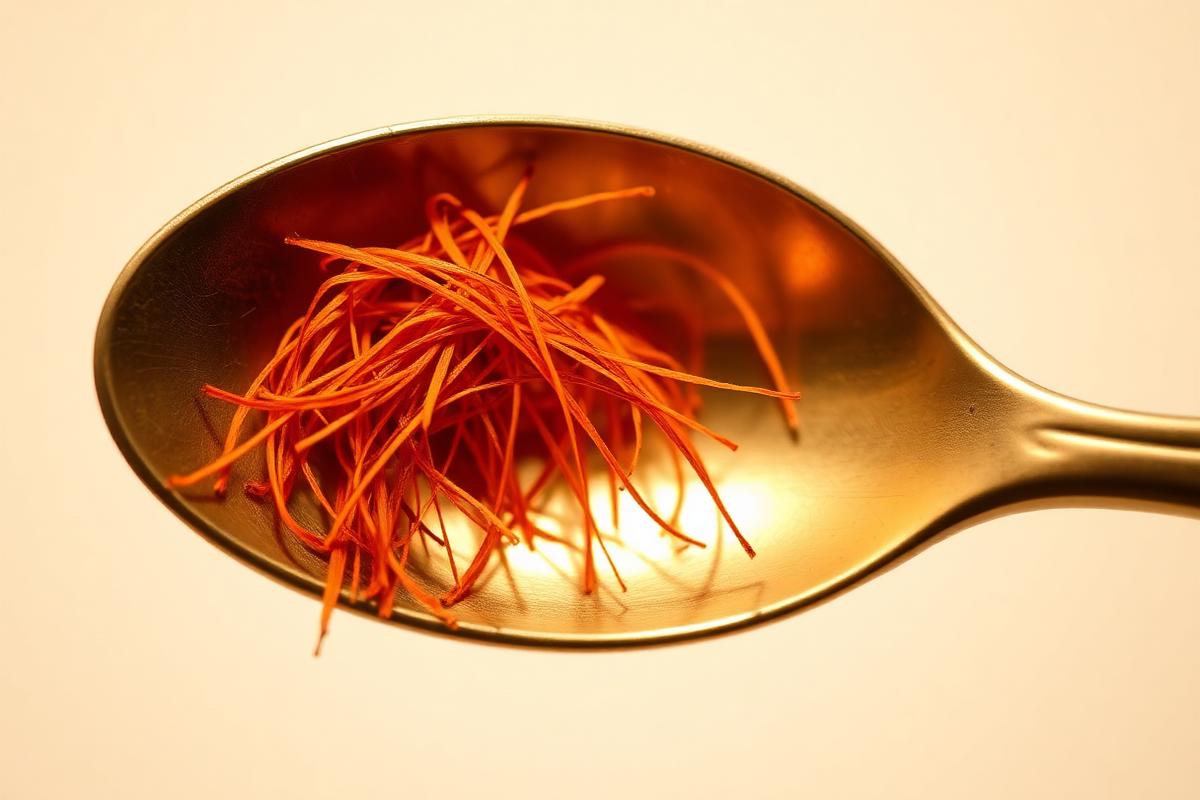
The chemistry
The carotenoid behind saffron's deep gold bloom and much of its antioxidant activity.
Gives saffron its distinctive slightly bitter, honeyed backbone.
The volatile compound responsible for that unmistakable hay-and-honey perfume.
How to use it
Measure small
A generous pinch — 15 to 20 threads — is enough for four servings. More saffron does not mean more flavour; past a point it turns medicinal.
Crush with sugar or salt
Grinding the threads against a few crystals releases far more colour than adding them whole.
Steep in warm liquid
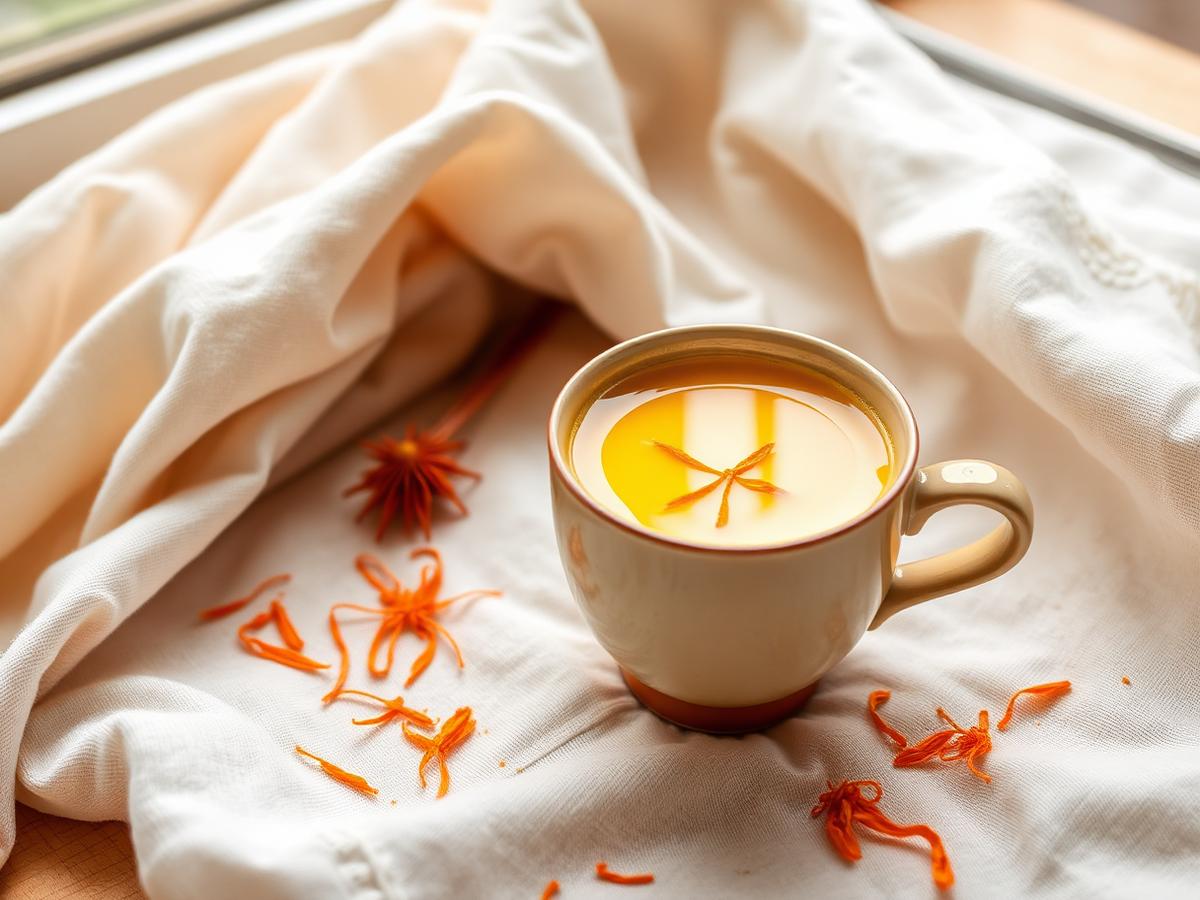
Milk, stock or water at just below a simmer, for 20 minutes. Heat above a simmer destroys safranal.
Add late
Pour the bloomed liquid in near the end of cooking so the aroma survives to the plate.
Wellness information is shared for general interest and is not medical advice. Speak to a healthcare professional before using saffron therapeutically, especially during pregnancy or alongside medication.