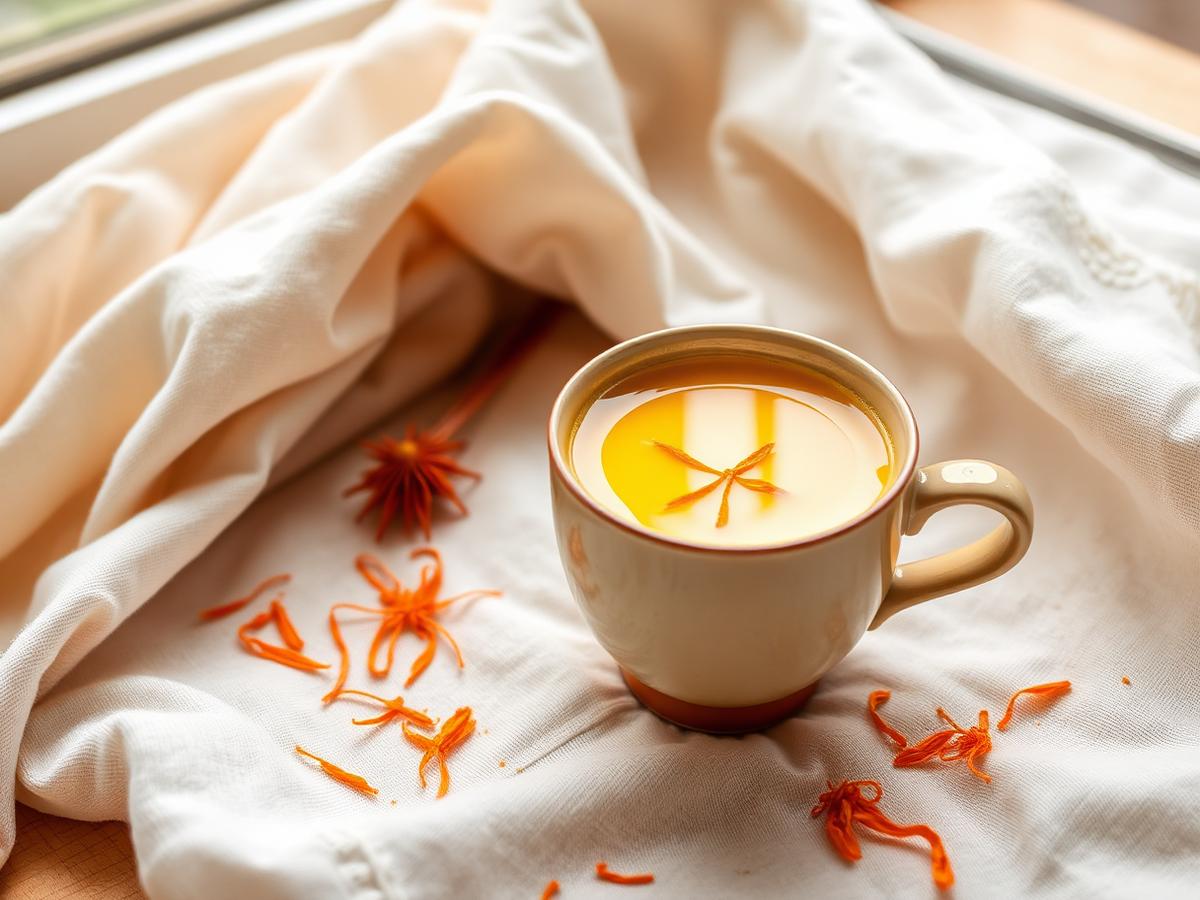
Buying Guide · 12 July 2026 · 6 min read
Five ways to tell real saffron from a clever fake
Dyed corn silk, safflower, coloured threads — the saffron aisle is full of imposters. Here's the test kit we use before a single gram leaves our floor.
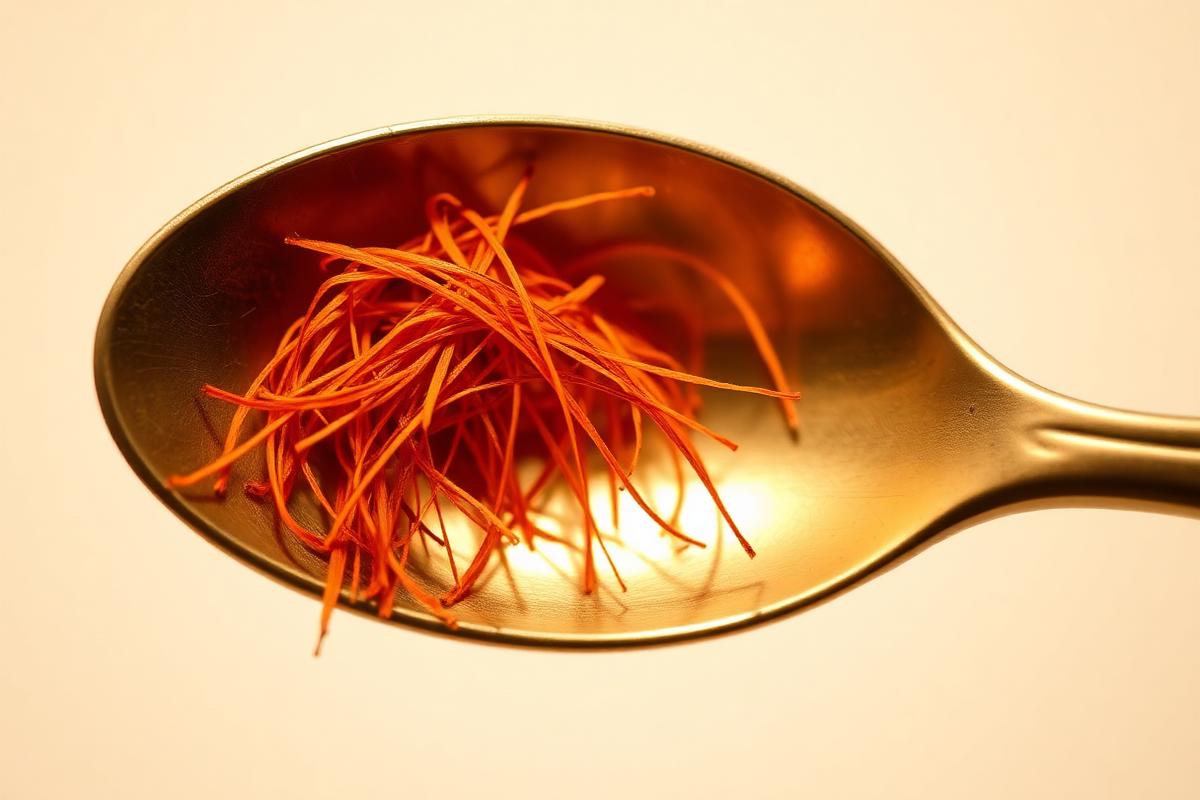
Saffron is the most expensive spice on earth by weight, which makes it the most counterfeited. The good news: five minutes and a glass of water will tell you almost everything.
The cold water test. Drop a few threads into cold water. Real saffron releases its golden colour slowly, over ten to fifteen minutes, and the thread itself stays red. Dyed fakes bleed instantly and turn pale.
The trumpet test. Look closely at a single thread. A genuine stigma flares at one end like a tiny trumpet. Uniform, flat, or perfectly cylindrical strands are a warning sign.
The aroma test. Real saffron smells sweet and hay-like, never sharp or plasticky. If it smells of nothing at all, it is old.
The crush test. Rub a thread between your fingers. Authentic saffron leaves a faint yellow-orange trace, not a red smear.
The price test. If it costs less than a good bottle of olive oil per gram, be sceptical. Roughly 150,000 flowers make one kilogram — the maths simply does not allow cheap saffron.
Written by the Drushti Overseas team